
Leading Together: Reflections from the PAR Institute for Leadership Excellence
Associate Director of Residential Services
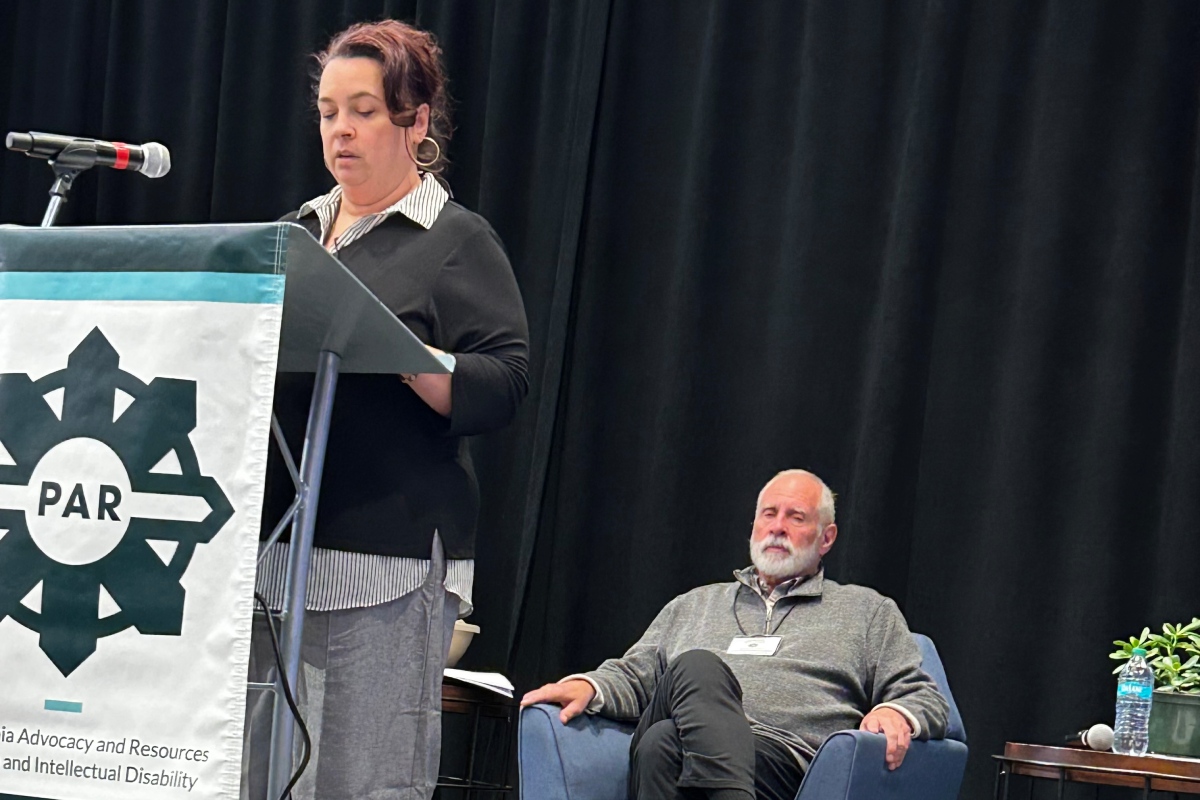
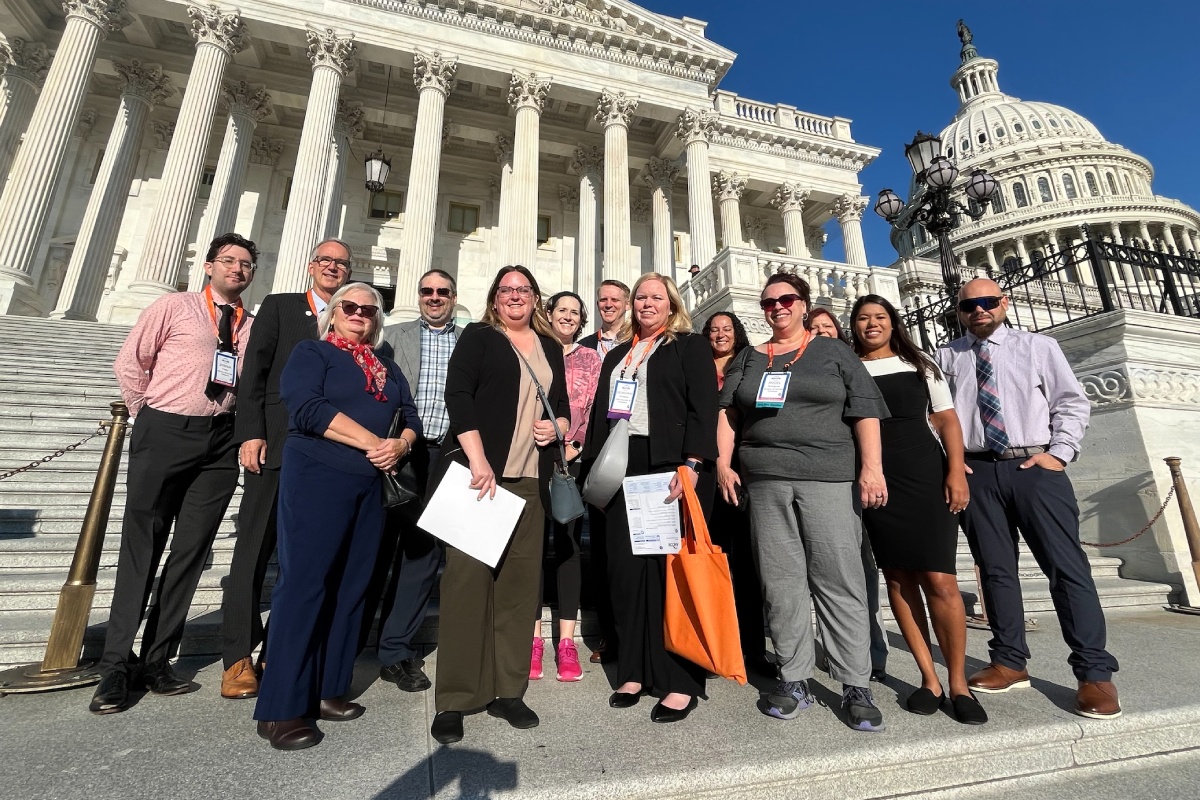
Being nominated by the leadership team at Mainstay Life Services to participate in the PAR Institute for Leadership Excellence was both an honor and a meaningful investment in my professional development. Over the course of the program, I participated in monthly leadership sessions, attended two in-person conferences in Harrisburg, the PAR Policy Conference and the PAR Solutions Conference, and will conclude this experience on March 24, 2026, at the PAR Awards Ceremony, celebrating our cohort’s graduation.
From the outset, the Institute distinguished itself by modeling the very leadership principles it sought to cultivate. Shared boundaries, active listening, confidentiality, openness, respect, and accountability were clearly articulated and consistently upheld throughout the program. These principles were not only embedded in the curriculum but also reinforced through the consistent presence and engagement of PAR leadership, including Mark Davis, Nick Krantz, and Kathy McHale, who led sessions and attended every conference.
The PAR Institute didn’t just teach leadership; it modeled it. By establishing shared boundaries rooted in respect, listening, and accountability, the program created a space where honest learning and authentic connection could happen.
This foundation created psychological safety and trust, allowing participants to engage deeply with complex topics and learn not only from instructors but also from one another and from PAR leaders who demonstrated what it means to lead with presence, humility, and consistency.
Courage, Risk, and Responsibility in Leadership
Several sessions challenged participants to examine leadership through the lens of courage, particularly the internal barriers that often prevent leaders from taking decisive action. Conversations around fear, self-doubt, imposter syndrome, perfectionism, burnout, and external pressure were candid and grounding.
This session reminded me that courageous leadership isn’t about having all the answers; it’s about being willing to act with integrity, even when fear, self-doubt, or discomfort are present.
That courage was further tested in sessions exploring the balance between risk, self-determination, and rights, facilitated by Maggie Rothenberger. These discussions surfaced an important tension in human services leadership: while all people take risks in daily life, leaders must navigate additional layers of responsibility without defaulting to restriction or over-control.
Balancing risk, self-determination, and rights has challenged me to examine how we approach decision-making differently when responsibility expands, and why honoring autonomy must remain central, even when leadership carries additional consequences.
This framing reinforced that ethical leadership is not risk-averse leadership, but rather values-driven leadership that respects dignity while acknowledging accountability. This approach is consistently reinforced by PAR leadership through dialogue, policy discussions, and real-time modeling.
Communication, Teams, and Organizational Fit
Another defining component of the Institute was its focus on communication and high-performance teams. Sessions led by Sarah Colantonio emphasized authentic communication, feedback, and influence as essential leadership competencies. Tools such as radical candor, constructive assertiveness, and the Content Pattern Relationship framework reframed feedback as an act of care rather than correction.
This work aligned seamlessly with sessions on organizational structure and team effectiveness, facilitated by Liz DeVett. Discussions on “right seats, then right people” challenged leaders to view organizational charts as living documents, responsive to growth, workforce realities, and quality outcomes rather than rigid hierarchies.
Leadership isn’t about adding layers; it’s about putting the right people in the right seats, staying flexible as organizations grow, and protecting both quality and staff from burnout.
Throughout these sessions, PAR leadership emphasized the importance of people-first decision-making, clear roles, and shared responsibility, reminding participants that strong teams are built on trust, clarity, and follow-through.
Business Acumen, Change, and Looking Ahead
The Institute also reinforced that strong leadership must integrate mission with operational and financial fluency. Sessions on business acumen made clear that sustainability, cost awareness, and quality are inextricably linked, particularly in Medicaid-funded systems, where leaders are responsible for stewarding limited resources while maintaining high standards of care.
Change management and systems thinking, led by Judy Dotzman, further expanded this perspective. Leaders were encouraged to conduct regular environmental scans, communicate intentionally, and guide teams through change with transparency and purpose.
Effective leadership means helping people navigate change with clarity and purpose, recognizing that adaptability, effective communication, and trust are essential for organizations to evolve without compromising their values.
The “Looking Ahead” session challenged participants to lift their focus beyond immediate operational demands and confront broader realities facing the human services system.
This session pushed me to lift my head from day-to-day operations and confront the broader realities facing our system—workforce shortages, unsustainable models, and the urgent need to focus on outcomes over volume.
Throughout these conversations, PAR leadership remained visibly engaged, connecting policy, practice, and advocacy while reinforcing the responsibility leaders carry to shape the future of services.
A Recommendation for Emerging Leaders
As I prepare to celebrate our cohort’s graduation at the PAR Awards Ceremony, I do so with gratitude, for the nomination by Mainstay leadership, for the instructors who brought decades of lived expertise, for the cohort members who showed up with honesty, humility, and generosity, and for the PAR leadership team whose consistent presence reinforced leadership not as a title, but as a daily practice.
I would strongly recommend the PAR Institute for Leadership Excellence to anyone beginning or recommitting to their leadership development journey. It offers more than tools and theory; it offers connection, perspective, and a clear example of what it means to lead with integrity. In human services, we lead best when we lead together.